Insect & Bat Prevention for Log Homes

Keep pests out. Protect your logs. Preserve your peace of mind.

TRUSTED BY

Your Log Home,

Protected.

Your log home should be a sanctuary, not a shelter for insects and bats. Over time, even the smallest gaps can turn into entry points for pests that damage wood, leave behind messes, and create stress for homeowners.

At Knaughty Log Restoration, we specialize in sealing and protecting log homes across Oregon, Kentucky, and Tennessee. Our proven methods stop infestations before they start—while keeping the natural beauty of your logs intact.


Why Insect & Bat Prevention Matters

Block hidden entry points

Seal cracks, gaps, and separation lines that pests exploit.

Stop bat intrusion

Close off nesting spots while maintaining proper ventilation.

Protect against insects

Defend against carpenter bees, wood-boring beetles, ants, and more.

Preserve your home’s value

Prevent long-term structural damage caused by pests.

Improve comfort & health

Eliminate droppings, odors, and the worry of unwanted guests.

Our Proven Process

Inspection

We identify gaps, cracks, and high-risk areas unique to your home.

Preparation

Surfaces are cleaned and dried for proper adhesion.

Sealing

Premium log home caulks and chinking close off vulnerabilities.

Protection

Extra reinforcement for areas prone to bats or insect activity.

Final Check

Every seam is smoothed for durability and a clean, finished look.

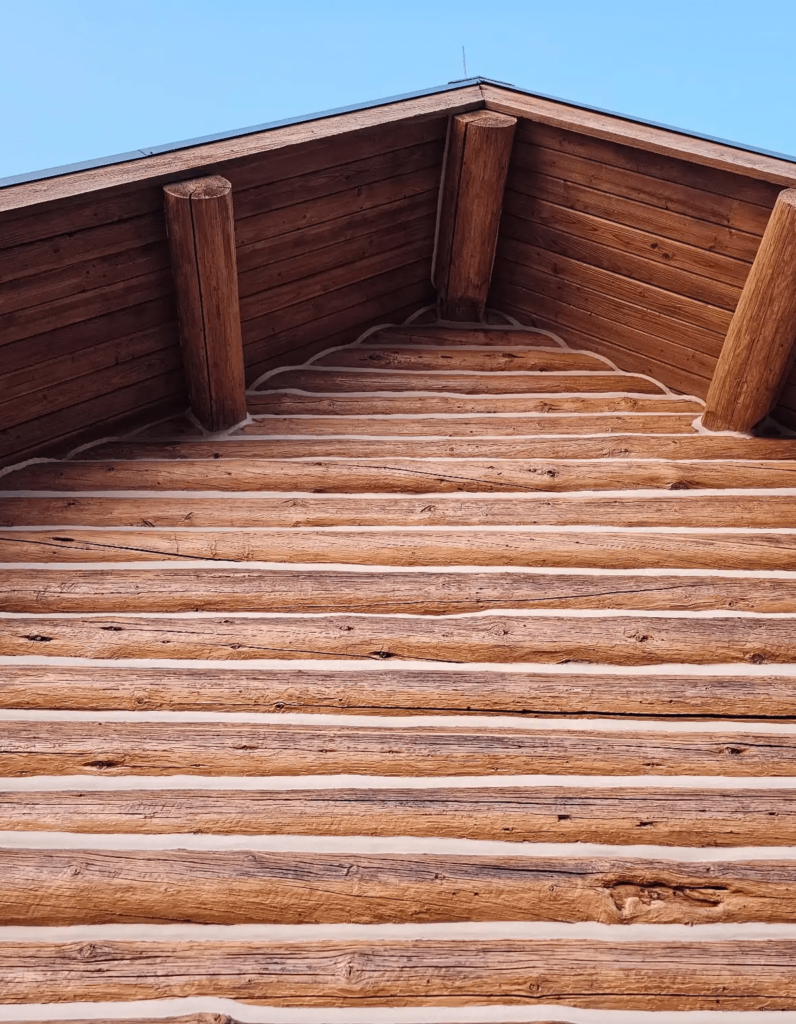
Kentucky Cabin – Bat Entry Sealed at Ridge Beam

The Problem

A historic log cabin near Lexington had recurring bat issues along the roofline.

The Solution

Our team located multiple entry points, sealed the gaps with color-matched chinking, and reinforced vulnerable joints.

The Result

A bat-free home and a safer living environment for the family—without altering the home’s rustic appearance.

What our customers say

Why Choose Knaughty Log

Specialized expertise

We work exclusively on log homes—this is our craft.

In-house crews

Full-time W-2 employees, background checked, trained, and certified.

Attention to detail

We seal even the smallest gaps most contractors overlook.

Preservation mindset

Every service protects your investment and its history for the next generation.

FAQs

How do I know if bats are hiding in my home?

Common signs include:

  • Guano (droppings) on decks, window ledges, porches, or in the attic/around entry points

  • Scratching or squeaking sounds, most noticeable at dusk and dawn when bats exit/return

  • Staining near gaps (dark/oily-looking marks) around rooflines, gable vents, chimneys, fascia, and small openings

  • Seeing bats exit the same area around sunset (the clearest confirmation)

  • A strong ammonia-like odor in heavier infestations (from urine/guano buildup)

If you suspect bats, don’t seal openings immediately—bats are protected in many areas and timing matters to avoid trapping them inside. We can help you identify likely entry points and coordinate the right next steps for exclusion and sealing.

It shouldn’t — as long as sealing is done strategically. The goal is to block uncontrolled gaps that pests use as entry points, without trapping moisture or restricting the home’s intended ventilation.

How we approach it:

  • We seal access points, cracks, and gaps where bats/insects enter

  • We don’t “caulk the house shut.” Areas designed to breathe (like certain venting and airflow paths) are treated differently

  • When exclusion requires it, we’ll recommend proper pest/vent solutions (screens, guards, or vent-specific components) rather than sealing something that needs airflow

Bottom line: sealing should improve comfort and pest resistance without creating moisture problems—and we plan the work with that balance in mind.

Yes and no — and we’ll be straight with you. Carpenter bees are part of the outdoors, and no one can “guarantee” they’ll never return. But we can dramatically reduce the problem and prevent repeat damage.

Here’s what we can do:

  • Treat active activity (as appropriate) and coordinate deterrents when needed

  • Repair existing holes and damaged wood (clean out, fill/epoxy, shape, and blend)

  • Seal and protect vulnerable areas so the wood isn’t an easy target

  • Recommend a maintenance plan (cleaning + protective coatings) because neglected, weathered wood attracts more activity

The long-term win isn’t just filling holes — it’s keeping the wood protected, sealed, and less inviting so bees move on to easier options.

Sealing and exclusion can dramatically reduce the chances of recurrence, but the long-term result depends on two things: doing it correctly and keeping the exterior maintained.

Here’s what makes the difference:

  • Full perimeter approach: pests will use the next easiest opening if only one area is addressed

  • Proper materials + detailing: the right sealants/screens/guards in the right locations (not a “caulk everything” approach)

  • Ongoing maintenance: weathering and wood movement can open new gaps over time, especially around rooflines, trim, and penetrations

Our goal is to eliminate easy entry points and keep your home protected with a plan that holds up season after season—not a temporary patch that invites the same problem back next year.

Service Area

Protect Your Home Today

Close off entry points and protect vulnerable areas with smart sealing and wood-focused prevention—so pests have a harder time making your home theirs. Bat & Insect Prevention services are available throughout Oregon, Kentucky, and Tennessee.