

















Crack & Check Repair for Log Homes

Cracks in Logs are Natural – We Help Ensure They Don’t Cause Problems.

TRUSTED BY

Your Log Home,

Protected.

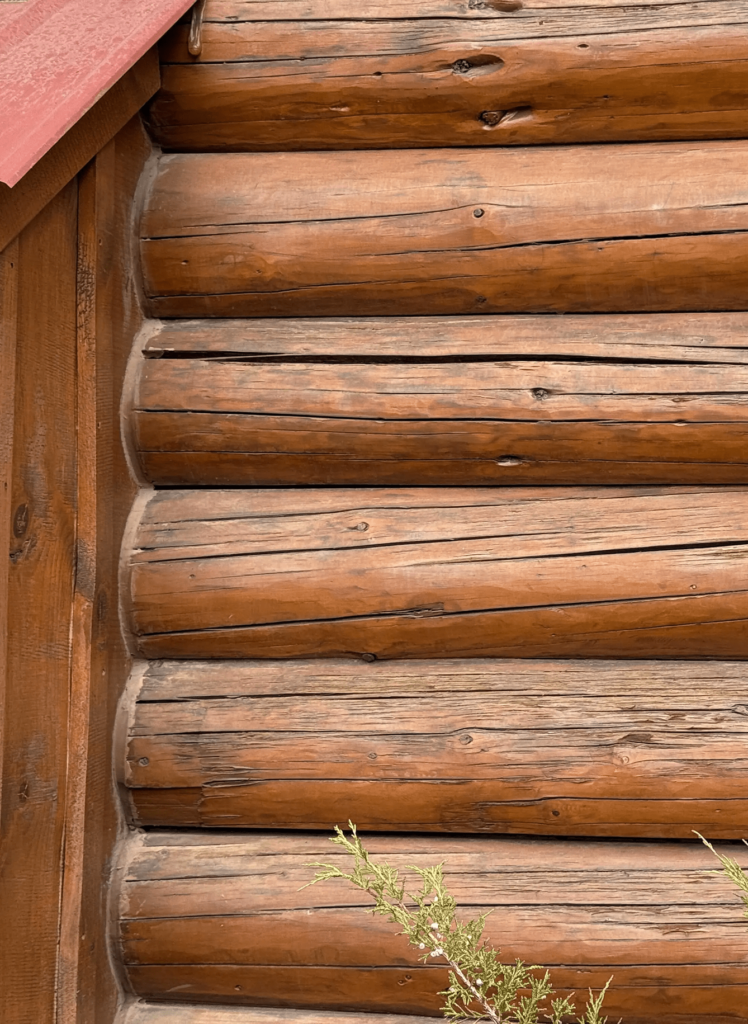
Cracks and checks are a natural part of log homes as the wood expands, contracts, and weathers over time. While some are harmless, others can allow water, insects, and even bats to enter—leading to rot, infestations, and costly repairs.

At Knaughty Log Restoration, we specialize in evaluating and repairing log cracks across Oregon, Kentucky, and Tennessee. Using professional-grade sealants and proven techniques, we protect your home while maintaining its rustic beauty.

Why Crack & Check Repair Matters

Prevents water intrusion

Keeps rain and snow from seeping into vulnerable areas.

Blocks pests

Stops insects, carpenter bees, and bats from making the cracks on your home, their new home.

Protects against rot

Sealed cracks reduce moisture buildup that leads to decay.

Improves efficiency

Fewer gaps mean fewer drafts inside your home.

Preserves appearance

Smooth, color-matched sealants keep your logs looking well-maintained.

Our Proven Process

Inspection

We identify cracks that need sealing versus those that can remain natural.

Cleaning

Cracks are cleared of dust and debris for proper adhesion.

Backer Material Installation

Larger checks are filled with foam or backer rod for depth control and proper adhesion.

Sealant Application

High-performance caulks and fillers are applied to blend with surrounding logs.

Finishing Touches

Seams are tooled smooth for durability as well as providing an attractive, natural look.

Oregon Cabin – Large South Wall Checks Sealed

The Problem

A cabin outside Bend had deep cracks on its sun-facing wall that were channeling water into the logs.

The Solution

Our crew cleaned the checks, installed backer rod, and sealed them with a color-matched log home caulk.

The Result

The repairs blended seamlessly with the finish and stopped moisture from entering the wood, extending the life of the home’s stain system.

What our customers say

Why Choose Knaughty Log

Trusted crews

W-2 in-house employees with years of log home experience.

Seamless finishes

Repairs are color-matched to your stain for a natural look.

Experienced evaluation

We know which cracks to seal and which can be left alone for character.

Premium materials

Only flexible, durable caulks and fillers designed for log movement.

FAQs

Do all cracks or checks need to be sealed?

No — and sealing everything is one of the fastest ways to create problems.

Checks are normal in logs. Many are tight, stable, and shed water fine with a proper stain/finish system. If you try to force sealant into every small check, you often end up with too little material for proper adhesion, and when the wood moves it can fail and create a worse water path than before.

We seal the cracks that matter most, based on:

  • Size and depth (wide/deep checks that can hold water)

  • Location (top half of the log, horizontal surfaces, and high-exposure elevations)

  • Moisture risk (areas where water sits, runs, or repeatedly wets)

Smaller hairline checks are typically best handled through proper cleaning + staining, while higher-risk checks get targeted sealing so your home stays protected long-term.




It can slightly — but our goal is that it looks intentional and blended, not like a bunch of obvious patches.

Here’s what to expect:

  • We use color-matched sealants and blend to the surrounding tone as closely as possible. 

  • Checks may still be visible up close (they’re part of real wood), but they shouldn’t jump out from a normal viewing distance.

  • The final appearance depends on the existing finish, sun-fading, and how much variation already exists across the logs.

If a perfect uniform look is the priority, we’ll tell you up front if that requires a broader approach (like blending a larger area or pairing repairs with a maintenance coat).

We recommend checking them once per year as part of a simple visual inspection—because logs change seasonally, and small issues are cheapest to fix early.

That said, most cracks don’t need work every year. What you’re looking for is change:

  • Checks that are opening up wider

  • Areas that are holding water or staying dark/damp

  • Separation at high-exposure elevations or horizontal surfaces

  • Any signs of insects using checks as entry points

If you want a simple rule: inspect annually, repair as needed based on conditions—not on a strict 2–3 year schedule. This keeps you in maintenance mode and prevents moisture problems from quietly compounding.

Often, yes—especially when the checks are large, go deep, or connect to an open joint that lets air pass through.

Two important clarifiers:

  • Most normal surface checks don’t cause drafts. Drafts usually come from gaps at log-to-log joints, corners, settling spaces, and around windows/doors.

  • Sealing checks helps most when they’re interior-facing or part of a pathway where air is actually moving.

Our approach is to identify where the air is coming from and then use the right fix—targeted check sealing when it matters, and caulking/chinking where the real air leaks typically live—so you get a noticeable improvement in comfort and efficiency.

Service Area

Restore Your Home Today

Stop small cracks from turning into bigger problems. Our Crack & Check Repair service seals vulnerable checks, restores protection, and helps prevent moisture intrusion—without over-caulking what shouldn’t be sealed. Crack & Check Repair services are available throughout Oregon, Kentucky, and Tennessee.